
Our specialities/Cardiology
Private cardiology clinic in Balatonfüred
At our private cardiology clinic in Balatonfüred, we welcome patients without a referral for the investigation of cardiovascular complaints, cardiovascular risk assessment and the long-term care of known heart conditions.
- Experienced cardiologists: Dr. med. habil. Aradi Dániel PhD, Dr. Harmati Gábor PhD, Dr. Kelemen Barbara, Dr. Kató Ferenc Gábor, Dr. Dósa Andrea, Dr. Tihanyi László and Dr. Schütz Géza Ákos
- Comprehensive diagnostics in one place: echocardiography (heart ultrasound), resting and exercise ECG, Holter ECG and ABPM
- Personalised assessment and treatment
- The latest treatment options
- Preventive approach, screening tests
- Short waiting times
When should you see a cardiologist?

Cardiology deals with the prevention, diagnosis, treatment and long-term care of cardiovascular diseases. A cardiology assessment may be warranted not only when you have symptoms, but also when several cardiovascular risk factors are present or when it is important to assess your individual cardiovascular risk.
Read moreShow less
A cardiology assessment is recommended, among other things:
- for chest pressure, a feeling of tightness or chest discomfort;
- for shortness of breath, difficulty breathing or reduced exercise tolerance;
- for a fast or irregular heartbeat, or palpitations;
- for recurrent dizziness, fainting or near-fainting;
- for oedema or swelling of the legs;
- for high blood pressure or blood pressure that is difficult to control;
- for known heart disease, or after a heart attack, coronary intervention or heart surgery;
- for high cholesterol, diabetes or a combination of several cardiovascular risk factors;
- for a family history of cardiovascular disease at a young age;
- for prevention and individual cardiovascular risk assessment.
Sudden severe chest pain, severe shortness of breath or loss of consciousness require immediate emergency care!
Our specialists
-
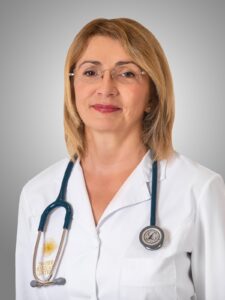 Dr. Dósa Andrea
Consultant in internal medicine and cardiology Profile
-
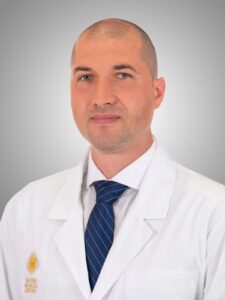 Dr. Harmati Gábor PhD
Consultant cardiologist Profile
-
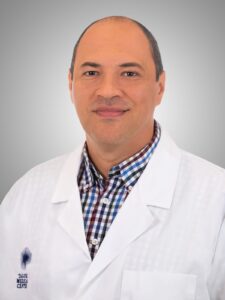 Dr. Kató Ferenc Gábor
Assistant professor, specialist in cardiology and internal medicine Profile
-
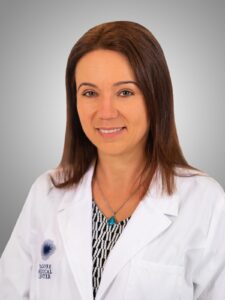 Dr. Kelemen Barbara
Consultant in cardiology and internal medicine Profile
-
 Dr. med. habil. Aradi Dániel PhD
Consultant cardiologist, associate professor, medical director Profile
-
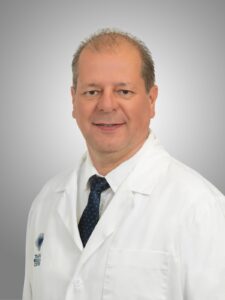 Dr. Schütz Géza Ákos
Cardiologist, internist, consultant and head of cardiac rehabilitation Profile
-
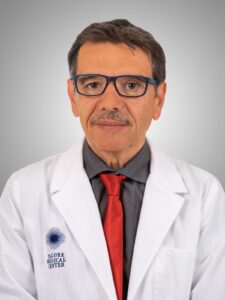 Dr. Tihanyi László
Head of Department, consultant cardiologist Profile
-
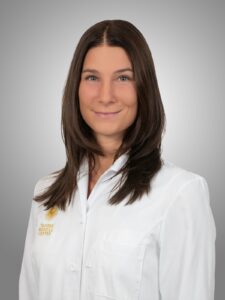 Dr. Nagy-Kardos Cintia
Cardiologist Profile
What does a cardiology consultation involve?
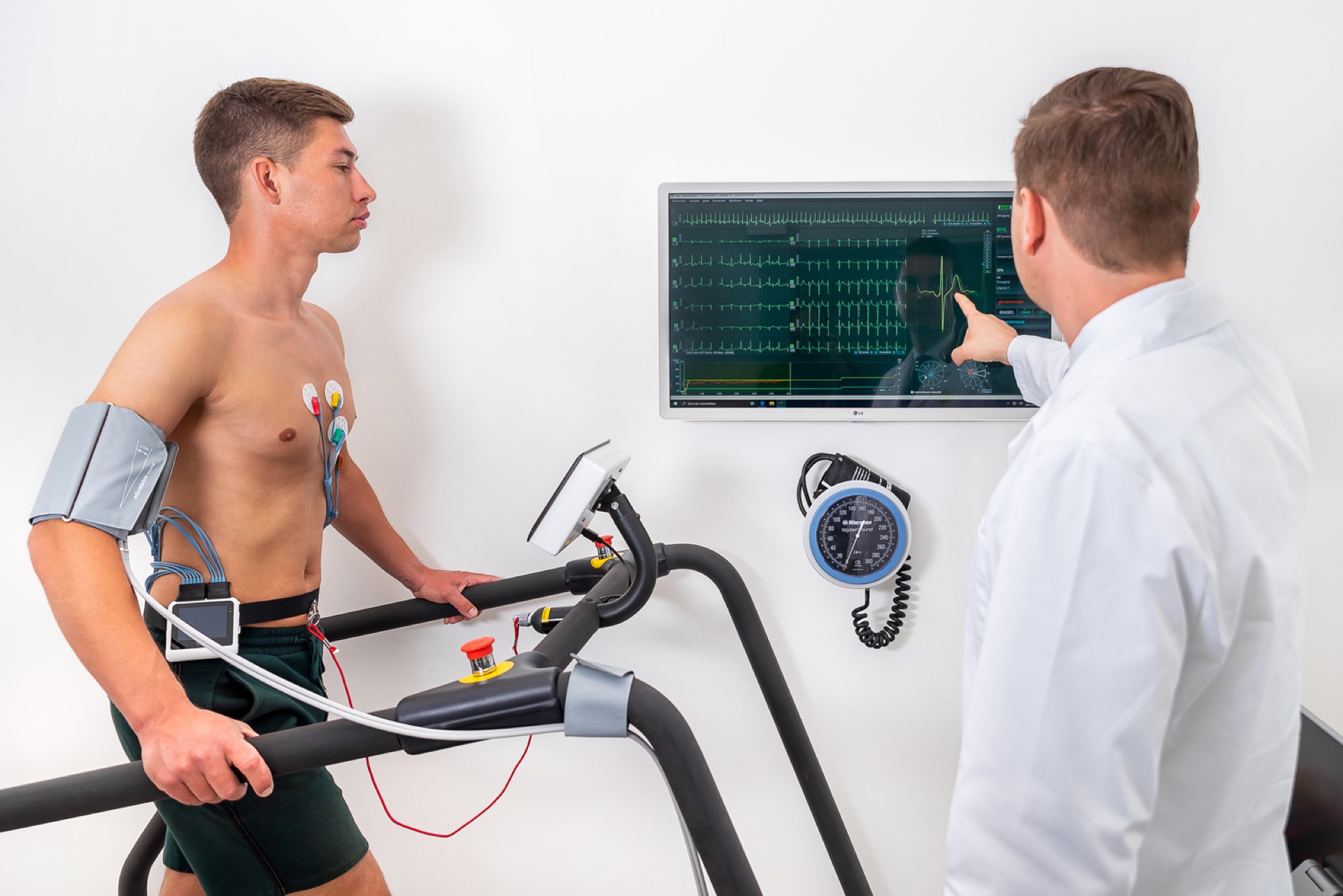
The cardiology assessment begins with a detailed consultation. Our specialist reviews your complaints, previous illnesses and test results, as well as the medicines you take regularly. The comprehensive basic cardiology assessment includes a physical examination, blood pressure and pulse measurement, a 12-lead resting ECG and a heart ultrasound (echocardiography). Together, these give a comprehensive picture of the heart’s rhythm, structure, pumping function and valve function.
Based on the results and your complaints, further tests may be recommended where needed, such as an exercise ECG, Holter ECG, ABPM or other specialist cardiology tests. At the end of the assessment, our specialist summarises the results, sets out the next steps and, where needed, draws up personalised treatment recommendations.
Blood pressure measurement
We measure blood pressure on both arms to record the readings from each upper arm and detect any difference between the two sides.
Resting ECG
We perform a 12-lead resting ECG, which shows the resting heart rate and the type and character of the heart rhythm. The characteristics of the heart’s electrical activity may indicate a problem with blood supply, high blood pressure, reduced pumping function or a heart rhythm disorder.
Heart ultrasound: echocardiography
Echocardiography (heart ultrasound) is one of the most important safe, non-invasive basic cardiology tests. It allows us to assess, from various points on the chest, how the heart pumps and fills with blood, as well as the thickness and contractility of the heart muscle. The examination gives a picture of the condition and function of the heart valves, and of the relationship between the heart and lungs in terms of circulation. It can reveal significant problems with blood supply (for example, a previous heart attack), valve disorders and conditions involving enlargement and weakening of the heart.
The method is suitable for monitoring the effect of many treatments on the heart (for example coronary angioplasty, blood pressure control and heart failure therapy), and for following the progression and natural course of certain conditions (for example valve problems).
At Tagore Medical Center, the examination is carried out with a professional Philips Affiniti 70 echocardiography system. This top-of-the-range ultrasound system is equipped with innovative features such as automated strain analysis based on contour tracking, which, if required, allows us to analyse your heart function using computer simulation.
Echocardiography is only performed after a specialist consultation, following a thorough review of your history and a detailed assessment of your complaints; it cannot be requested on its own without a consultation.
Examinations and prices
These examinations can be booked right now, and prices are updated from our booking system. All examinations in this speciality open with one click below the list.
Examinations and prices
Cardiology specialist consultation and echocardiography
Review of medical history, discussion and assessment of complaints and symptoms · Targeted physical examination, blood pressure measurement on both arms · Resting ECG · Echocardiography with a professional ultrasound system
Cardiology specialist consultation, echocardiography and exercise ECG
Review of medical history, discussion and assessment of complaints and symptoms · Targeted physical examination, blood pressure measurement on both arms · Resting ECG · Echocardiography with a professional ultrasound system · Exercise ECG on a treadmill or bicycle
Cardiology follow-up consultation
Available within 2 months of a cardiology consultation at our clinic! · Review of relevant events, results, symptoms and complaints since the last visit (e.g. Holter, ABPM, echocardiography, discharge summaries) · Targeted physical examination, blood pressure measurement on both arms · Resting ECG
Cardiology follow-up consultation and echocardiography
Available within 2 months of a cardiology consultation at our clinic! · Review of relevant events, results, symptoms and complaints since the last visit (e.g. Holter, ABPM, echocardiography, discharge summaries) · Targeted physical examination, blood pressure measurement on both arms · Resting ECG · Echocardiography with a professional ultrasound system
Premium vascular package
Review of medical history, discussion and assessment of complaints and symptoms · Targeted physical examination, blood pressure measurement on both arms · Resting ECG · Peripheral arterial disease test (BOSO ABI) · Echocardiography (heart ultrasound) · Detailed body composition analysis · Exercise ECG
Arrhythmia package
Review of medical history, discussion and assessment of complaints and symptoms · Targeted physical examination, blood pressure measurement on both arms · Resting ECG · Echocardiography (heart ultrasound) · 24-hour Holter ECG · 2-week ECG event recorder (WIWE)
Prices are in Hungarian forints (HUF) and include VAT. The laboratory package prices shown include the applicable sample handling or sample collection fee.
Try a different search term, or call our team on +36 20 280 3939 for assistance.
All examinations in this speciality26 items
Basic examinations
-
Echocardiography (heart ultrasound)*
HUF 21,000
Echocardiography with a professional ultrasound system, available only alongside a specialist cardiology consultation (Philips Affinity 70)
- Computer-assisted cardiac analysis (strain imaging)* HUF 6,000
-
Exercise ECG*
HUF 24,000
Exercise ECG on a treadmill or exercise bike, available only alongside a specialist cardiology consultation (BTL Treadmill, Ergoselect 100 bike)
-
24-hour ABPM blood pressure monitoring
HUF 22,000
24-hour ambulatory blood pressure monitoring with evaluation (BTL ABPM)
-
24-hour Holter ECG
HUF 25,000
24-hour ECG monitoring with evaluation (3, 7 or 12 leads, BTL H600 Holter). The evaluation takes 2 weeks.
-
2-week ECG event recorder
HUF 16,000
A 2-week method for recording the ECG rhythm during symptoms, using a portable device that does not need to be worn continuously (WIWE)
- 3-week ECG event recorder HUF 20,000
-
Peripheral arterial disease test (BOSO ABI)*
HUF 9,000
Ankle-brachial index (ABI) measurement using the BOSO automated method (BOSO ABI PWV)
-
Resting ECG
HUF 8,000
(only available together with a specialist internal medicine examination or follow-up examination) 12-lead resting ECG
-
Professional body composition analysis*
HUF 8,000
Detailed body composition analysis and obesity diagnostics with the InBody 770 device
-
Pacemaker interrogation and programming*
HUF 20,000
Reading out the pacemaker’s operating parameters and, if necessary, reprogramming its settings
- CRP rapid test analysis HUF 8,000
-
HbA1c rapid test
HUF 8,000
HbA1c analysis with a validated rapid test, showing your average blood sugar level over the past 3 months
- Direct LDL rapid test analysis HUF 8,000
- ProBNP rapid test analysis HUF 14,000
- Troponin rapid test analysis HUF 10,000
- Expert opinion on a cardiac catheterisation procedure (with imaging) HUF 39,500
- Detailed review and assessment of previous test results HUF 5,000
- Cardiology consultation in a foreign language HUF 10,000
-
Urgent appointment surcharge (within one week)
HUF 5,000
When the schedule is fully booked
-
Urgent appointment surcharge (within one working day)
HUF 10,000
When the schedule is fully booked
-
Prescription writing
HUF 5,500
Prescription writing without consultation or examination; otherwise included in the specialist examination
- Specialist recommendation HUF 7,000
- Fingertip blood glucose test: 5 sessions HUF 10,000
Discounted comprehensive examination packages
- Cholesterol management advice with lipid measurement HUF 25,000
-
Lipid management advice with inclisiran administration
HUF 590,000
- Review and assessment of available laboratory results
- Immediate LDL cholesterol measurement from a blood sample
- Cardiovascular risk assessment
- Inclisiran administration
- Healthcare administration fee
Current fees for all examinations can be found on our price list page at any time.
Further cardiology examinations
Exercise ECG
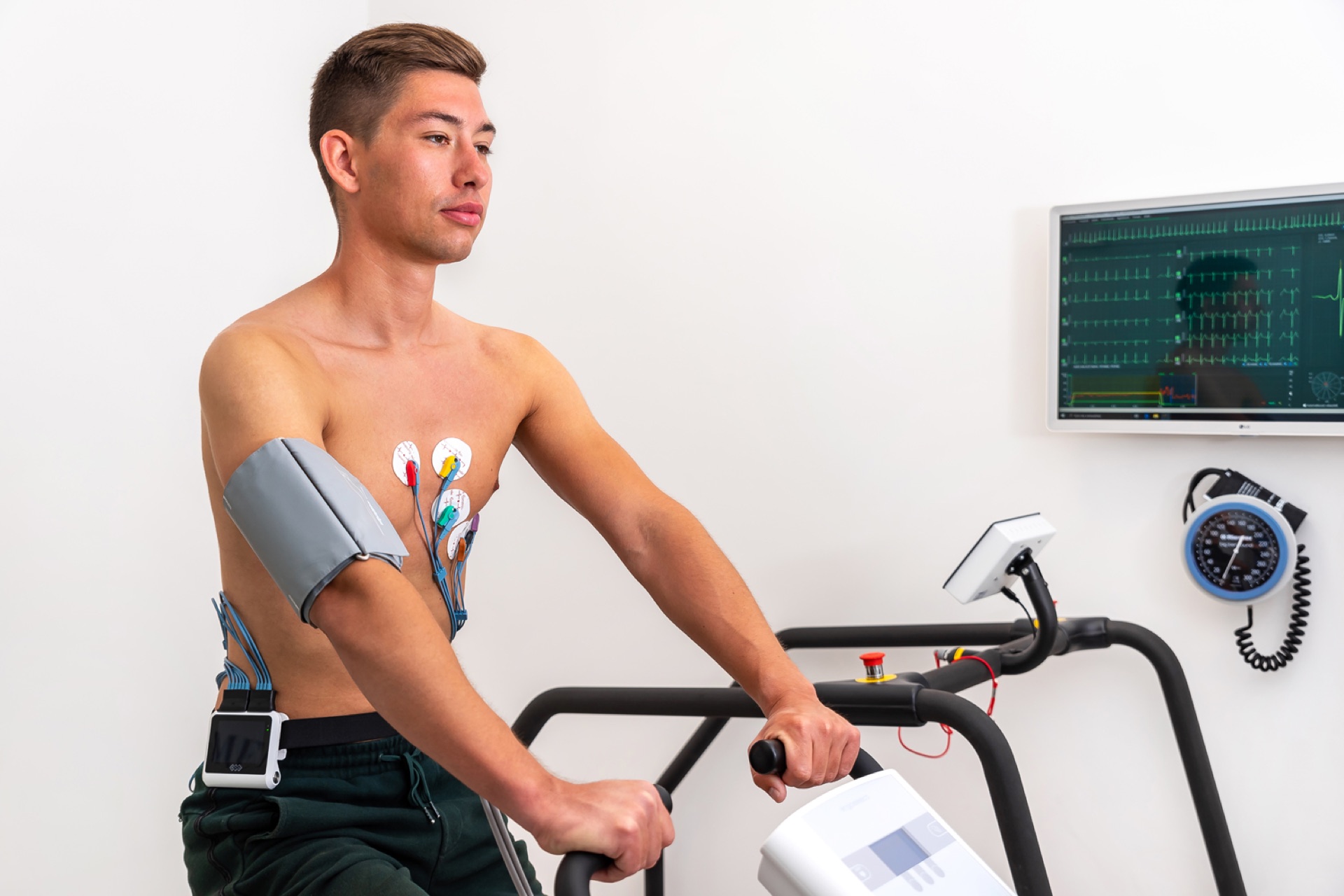
A resting ECG analyses the heart’s electrical activity at rest, but many cardiac symptoms and abnormalities are only provoked by physical exertion. This is why the exercise ECG is so important in assessing these conditions. During the test, following predefined protocols and with gradually increasing intensity, we monitor how the heart responds to exertion (heart rate, blood pressure), together with ECG changes that reflect the heart’s blood supply.
In certain heart conditions it may also be used:
- to assess the individual’s general exercise capacity and fitness (reduced heart function, valve disease, sports cardiology measurements);
- to objectively evaluate the onset of certain symptoms;
- to characterise certain arrhythmias more precisely.
Exercise tests are carried out on a modern, fully digital BTL exercise ECG system, using exercise ECG equipment with wireless signal transmission (BTL Flexi ECG). At Tagore Medical Center both treadmill and exercise bike testing are available. The treadmill is recommended for patients with good exercise capacity and no joint problems, and for healthy individuals attending for screening; the bike is recommended for patients with less steady balance or who cannot walk briskly or run. For an exercise test, please bring comfortable trainers and loose sportswear.
Exercise ECG tests are only performed after a specialist consultation, following a thorough review of your medical history and a detailed assessment of your symptoms; this test cannot be booked on its own without a consultation.
Ankle-brachial index and arterial stiffness
Atherosclerotic narrowing of the arteries does not only affect the coronary arteries of the heart: by narrowing the arteries of the legs it can cause peripheral arterial disease, which in its most severe form often ends in amputation. In Hungary around 6,000 amputations are performed every year, almost half of which could be prevented by timely screening and treatment of peripheral arterial disease, which is often symptomless.
The circulation of the legs can be described by a simple, accurate measure called the ankle-brachial index (ABI). A value of 0.90 or lower indicates peripheral arterial disease, and below 0.5 a very severe circulatory problem in the legs, even at rest, is likely. At Tagore Medical Center the ankle-brachial index is measured with the automated BOSO ABI method, which examines all four limbs at once and can be confirmed or refined with Doppler ultrasound if necessary (see also: vascular surgery).
In addition to ABI measurement, the BOSO device analyses the elasticity of the wall of the main artery leaving the heart (the aorta), known as aortic PWV. This elasticity (aortic stiffness) is an independent predictor of arterial disease and cardiovascular events. A value above 10.0 m/s indicates a stiffer, less elastic aorta, placing the patient in a higher risk group.
Risk classification based on cholesterol levels and starting personalised treatment
Based on your other medical conditions and your level of ‘bad’ cholesterol (LDL cholesterol), we determine your personal cardiovascular risk and explain the available medical treatment options, which include oral medicines as well as highly effective, long-acting injectable treatments. The necessary laboratory tests can be carried out on site.
Professional body composition analysis (InBody 770)
Obesity is a widespread health problem in Hungary: by European comparison, the country is among the most severely overweight nations. The most important risk factor in obesity is abdominal (visceral) fat, which is directly linked to cardiovascular events. Diet and regular exercise are hugely important in tackling obesity, but simply weighing yourself on scales is not an accurate way to track progress.
Detailed body composition analysis can help assess your current condition accurately, set goals for change and track the effectiveness of those changes precisely. At Tagore Medical Center professional body composition analysis is performed with the InBody 770 device. For the test you stand barefoot, in your underwear, on the marked points of the device, holding the hand sensors with your arms held out to the sides. The device measures electrical resistance (tissue impedance) between the contact points at several independent frequencies, from which a body composition map can be drawn up.
24-hour, 2-day and 7-day Holter ECG monitoring
For effective diagnosis and treatment of arrhythmias, it is essential to record an ECG while symptoms are occurring, as this provides accurate evidence for assessing the nature and type of the arrhythmia and how it should be treated. Often, despite significant symptoms, a resting 12-lead ECG shows no abnormality, and continuous ECG monitoring at home, sometimes over several days, is what leads to a diagnosis.
This long-term ECG monitoring and recording is carried out with a modern, compact digital Holter ECG device that does not interfere with daily life. It continuously monitors heart activity and can record ECGs for up to 7 days. To obtain low-noise ECG recordings, we use the professional BTL H600 Holter ECG system.
Electrodes are placed on the chest and connected to a small ECG monitor that clips onto your waistband. You can then go home and return the device to our clinic after the agreed period. We provide the evaluated results of the downloaded recording within 2 weeks.
2-week ECG event recorder (WIWE test)
If arrhythmia symptoms occur only rarely (typically less than once a week), we can provide patients with an ECG event recorder. This small, smart device records the ECG rhythm during symptoms, which can bring you closer to an accurate diagnosis and effective treatment. For ECG event monitoring we use the WIWE device, which is usually provided for a period of 2 weeks.
24-hour ABPM blood pressure monitor
High blood pressure is the risk factor responsible for the largest number of deaths, so optimal blood pressure control is extremely important. In the specialist’s consulting room we often measure significantly higher blood pressure than the values measured at home. To decide whether this is merely a stress reaction triggered by the doctor (white coat syndrome) or genuine high blood pressure that needs treatment, objective and accurate blood pressure monitoring at home is required. At Tagore Medical Center 24-hour blood pressure monitoring is carried out with a BTL ABPM device, which is usually provided to patients for 24 hours. (Useful reading: How to measure your blood pressure correctly at home.)
1-month digital blood pressure diary
If one day of continuous blood pressure monitoring (ABPM) is not enough to adjust treatment properly, or the effectiveness of a new therapy needs to be followed over a longer period, a digital smart blood pressure monitor (OMRON EVOLV) that compiles and evaluates the measurements by computer is available to meet this specific need.
Rapid HbA1c test
Screening for diabetes and treating it optimally is essential for every patient who has had a cardiovascular event, and screening can be carried out for anyone without diabetes. HbA1c, which reflects the average blood sugar level over 3 months, can be used with a validated rapid test to screen for possible diabetes, giving an immediate result from a single drop of blood taken from the fingertip. Our diabetologist colleagues are also available in cases of known or suspected diabetes.
Pacemaker interrogation and programming
At Tagore Medical Center, for patients who have had a pacemaker implanted, we can read out the pacemaker, modify its programme and adjust its settings for more effective operation. For programming, we need to know the exact type and manufacturer of the implanted pacemaker.
Frequently asked questions about cardiology examinations
Do I need a referral for a private cardiology appointment?
No. Our private cardiology clinic can be used without a referral.
What should I bring to my cardiology appointment?
Your previous test results, discharge summaries, laboratory results and a list of the medicines you take regularly. Please record your current medication accurately every time, noting the exact brand name, dose and frequency of each medicine. (Why does this matter? Protecting our hearts: why is it vital to take our medicines exactly as prescribed?)
Can I request an echocardiogram or exercise ECG on its own?
These tests cannot be requested on their own: the indication is determined by a specialist cardiologist to ensure that the right diagnostic method is chosen to investigate your particular symptoms.
How does a Holter ECG or ABPM test work?
The device is fitted at our clinic, after which the patient can go home and continue their usual daily activities. At the end of the monitoring period, the data are evaluated by our specialists.
How much does a cardiology examination cost?
Current fees, by type of examination, are kept up to date on our cardiology prices page.
What should I do if I suddenly develop severe chest pain?
In the case of sudden, severe or persistent chest pain, severe shortness of breath or loss of consciousness, seek emergency help immediately.
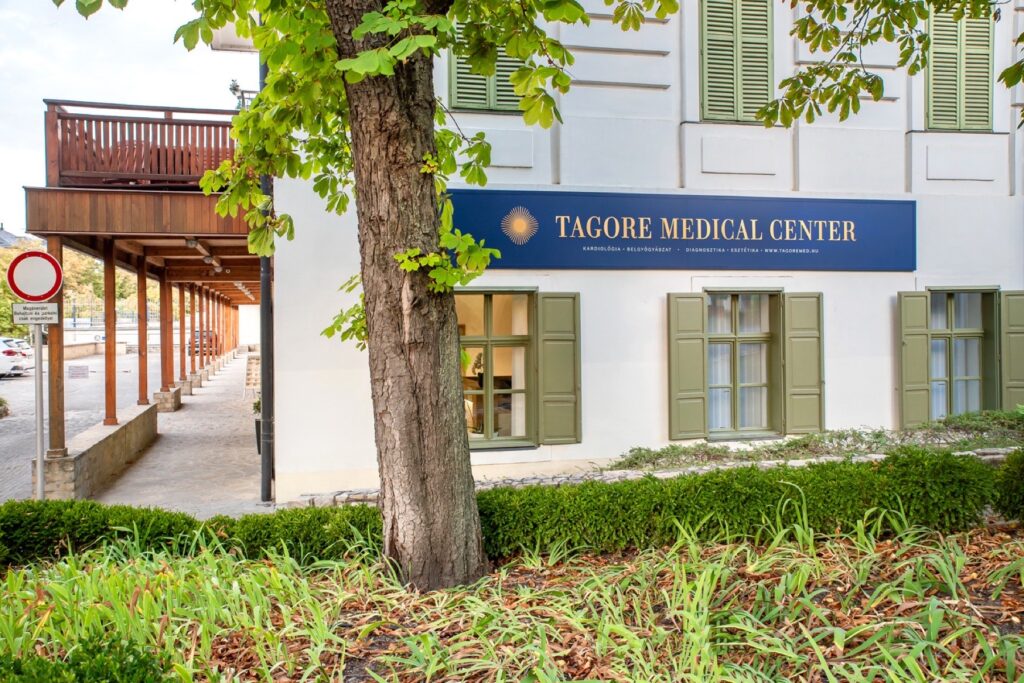
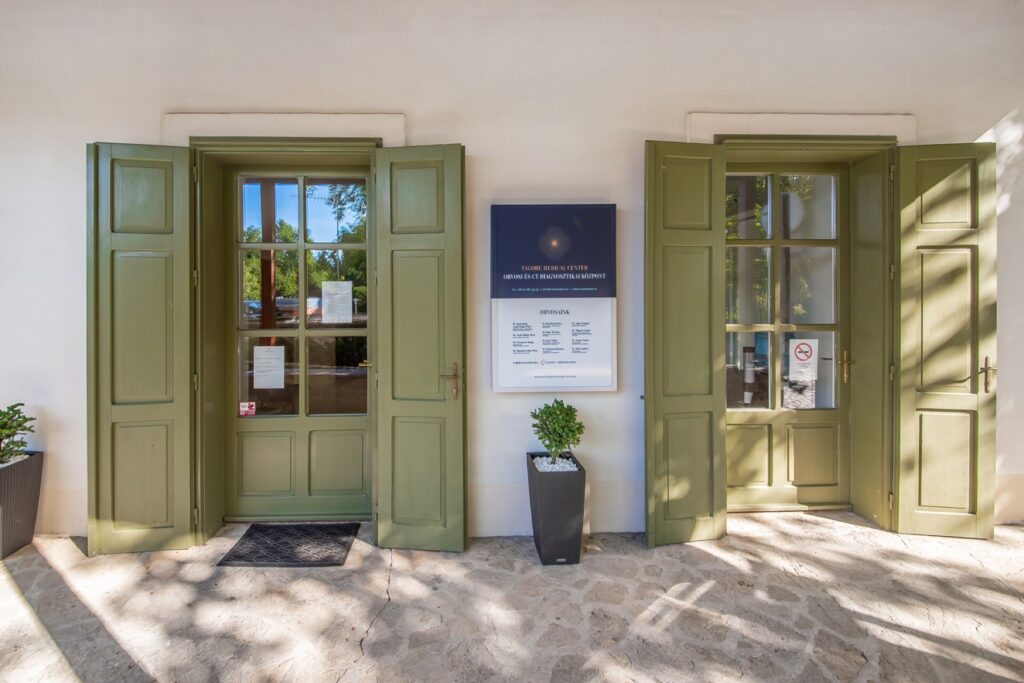
Where is the clinic?
- Address
- Tagore Medical Center
Balatonfüred, Horváth-ház, Gyógy tér 3. - Book an appointment
- +36 (20) 280 3939
Cardiology in Balatonfüred
If you need specialist help to investigate cardiovascular symptoms, manage an existing heart condition or assess your cardiovascular risk, we look forward to welcoming you at our private cardiology clinic in Balatonfüred. For complex symptoms affecting several organ systems, internal medicine investigations are also available at our clinic.
Book an appointment online, or call us: +36 20 280 3939.
Book an appointment!
Early detection can save lives, and we will help you find the right solution.
Tagore Medical Center, Balatonfüred, Horváth-ház, Gyógy tér 3.
This information is general in nature and does not replace a personal medical examination, diagnosis or treatment. If you have symptoms, please consult a specialist.