

Our specialities/Diabetology
Private diabetology clinic in Balatonfüred
If you have raised blood sugar, increased thirst or already known diabetes, a diabetologist can help clarify the cause and plan your treatment. At Tagore Medical Center’s private diabetology clinic in Balatonfüred, we support you in achieving good blood sugar control and preventing complications through personalised assessment and ongoing care. The aim of diabetology is not only to keep blood sugar levels well controlled, but also to reduce the risk of cardiovascular, kidney, nerve and other complications associated with diabetes.
- Three experienced specialists: Dr. Havasi Anett, Dr. Stella Péter and Dr. Varga Gabriella
- Comprehensive diagnostic support: rapid point-of-care HbA1c test (average blood glucose over 3 months), InBody body composition analysis and BOSO ABI ankle-brachial index measurement
- Dietitian support where needed
- Involvement of related specialties where needed: obesity medicine, nephrology, cardiology, ultrasound diagnostics and other related clinics
- Body composition analysis and lifestyle monitoring: detailed body composition analysis with the InBody 770
- Short waiting times, personalised assessment
When should you see a diabetologist?
Diabetology is the specialty concerned with diabetes, disorders of glucose metabolism, and the prevention and treatment of diabetes. Diabetes is a chronic metabolic disease. It may be caused by a lack of insulin produced by the pancreas, by reduced insulin action, or by a combination of both. As a result, blood glucose levels rise, which in the long term can damage the blood vessels, nerves, kidneys and eyes, among other organs.
Read moreShow less
A diabetes assessment is recommended, among other things:
- if a high blood glucose level or raised HbA1c is found on a laboratory test;
- if you experience increased thirst, frequent urination, unexplained weight loss, persistent fatigue or blurred vision;
- for regular monitoring of known diabetes, or if blood glucose levels fluctuate or difficulties arise during treatment;
- if prediabetes or insulin resistance has been diagnosed, to clarify the next steps;
- if you are at increased risk, for example with excess weight, high blood pressure, abnormal blood lipids, a family history of diabetes or previous gestational diabetes;
- if abnormal blood glucose is detected during pregnancy, so that appropriate care can be arranged as soon as possible.
Type 2 diabetes may initially cause no symptoms, so a check-up based on risk factors is important even if you have no complaints.
Our specialists
-
 Dr. Havasi Anett
Assistant professor, specialist in internal medicine, nephrology, diabetology and hypertension Profile
-
 Dr. Varga Gabriella
Specialist in internal medicine and diabetology, assistant professor Profile
-
 Dr. Stella Péter
Consultant in internal medicine, diabetology and obesity medicine Profile
What does a diabetes consultation involve?
At the first consultation, the diabetologist will ask you in detail about your complaints, map your symptoms and review your medical history and previous test results. The consultation also covers your family history, current medication, diet and exercise habits. If you already have diabetes, your home blood glucose readings and any episodes of feeling unwell are also important information.
The physical examination may include measuring blood pressure, weight and height, as well as a targeted check for signs of complications. Based on the available results, the doctor will decide which further tests are needed. Fasting blood glucose, HbA1c, blood lipid and kidney function tests, a urine test and, in some cases, an oral glucose tolerance test may be warranted. Not every test is needed for every patient, and some may require a separate appointment.
Treatment is tailored to the individual, depending on the underlying cause and stage of the disease and other circumstances. At the end of the consultation, we discuss lifestyle measures, any medication or insulin therapy, home monitoring and the date of your next follow-up.
Where indicated, the assessment can be complemented by InBody 770 body composition analysis, an ankle-brachial index test or a rapid HbA1c test.
How can diabetes care help?
Types of diabetes
In type 1 diabetes, severe insulin deficiency develops because the insulin-producing beta cells are destroyed, usually by an autoimmune process. It often appears in childhood or young adulthood, but can also develop later in life. Treatment requires insulin replacement.
In type 2 diabetes, the action of insulin is reduced and, over time, insulin production is no longer sufficient to meet the body’s needs. Both inherited predisposition and lifestyle-related factors may play a role in its development. Treatment is based on personalised lifestyle change, alongside which medication and, in some cases, insulin may also be needed.
Gestational diabetes is diagnosed during pregnancy. Coordinated diabetes, gynaecological and dietary care is needed to protect the health of both mother and baby. Secondary diabetes can also be associated with certain diseases, genetic conditions or medical treatments.
In insulin resistance, the body’s cells are less sensitive to the action of insulin. Prediabetes means that blood glucose levels are already above normal but have not yet reached the range typical of diabetes. The two terms are not the same. Test results must be assessed together with symptoms and risk factors; the aim is to prevent further deterioration through a personalised diet, physical activity, medication where needed and regular monitoring. (Related reading: What is insulin resistance and how can it be treated?)
Personalised treatment and lifestyle support
At our centre, we pay particular attention to the optimal treatment of diabetes and to therapy recommendations tailored to each patient. In addition to controlling blood glucose, accompanying conditions and individual life circumstances also shape the treatment. Where needed, a dietitian helps you establish a healthy diet and learn everyday self-care. Coordinating meals, physical activity and medication is part of safe diabetes care.
In cases of excess weight or obesity, diabetes care can be combined with our obesity medicine service and weight management programme, which allows lifestyle, nutrition, body composition and, where needed, medication to be assessed together.
The aim of care is to preserve quality of life and reduce the risk of late complications. Besides blood glucose levels, it may also be important to check blood pressure and blood lipids, monitor kidney function, have eye examinations and regularly check the feet. The specialist will recommend the necessary tests and how often they are needed based on your individual condition.
Rapid HbA1c test
Diabetes screening is recommended for all patients who have had a cardiovascular event, and can also be carried out as a screening test for anyone without diabetes. A validated rapid HbA1c test, which reflects average blood glucose over the past 3 months, is suitable for screening for possible diabetes and gives an immediate result from a single drop of blood taken from the fingertip. The rapid result means that, where needed, the value can already be taken into account during the diabetes consultation when deciding on next steps.
Ankle-brachial index and arterial stiffness measurement
Arterial narrowing does not only affect the coronary arteries of the heart: by narrowing the arteries of the legs, it can cause peripheral arterial disease, which in its most severe form often ends in amputation as a last resort. In Hungary, around 6,000 amputations are performed each year, nearly half of which could be prevented through timely screening and treatment of peripheral arterial disease, which is often symptomless. Blood flow in the legs can be characterised by a simple, accurate measurement called the ankle-brachial index (ABI). A value of 0.90 or less indicates peripheral arterial disease in the legs, and below 0.5 a very severe circulatory disorder, even at rest, is likely.
At Tagore Medical Center, we measure the ankle-brachial index with the automated BOSO ABI method, which assesses all four limbs simultaneously and can be confirmed or refined with Doppler ultrasound where needed. In addition to the ABI, the BOSO device analyses the elasticity of the wall of the aorta, the main artery leaving the heart (aortic PWV); this elasticity (aortic stiffness) is an independent predictor of arterial disease and cardiovascular events. A value above 10.0 m/s indicates a stiffer, less elastic aorta, which places the patient in a higher risk group.
Professional body composition analysis with the InBody 770
Body weight alone does not show whether a change in weight is due to a change in fat, muscle or fluid. Detailed body composition analysis can therefore be particularly useful in cases of excess weight, obesity, glucose metabolism disorders or lifestyle change. At Tagore Medical Center, professional body composition analysis is carried out with an InBody 770 device.
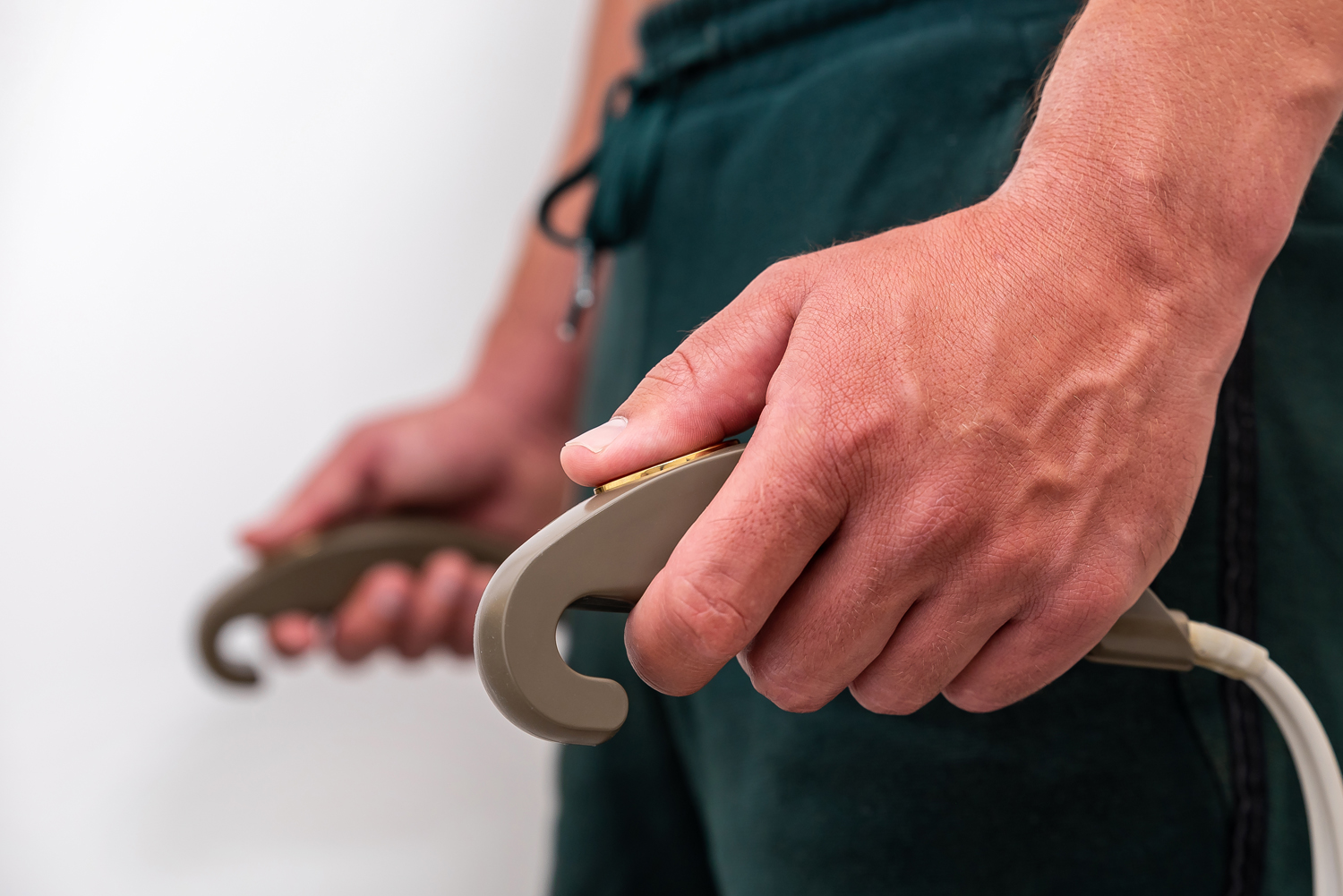
Body composition analysis can assess parameters including body fat, skeletal muscle mass, total body water and abdominal (visceral) fat. With the InBody 770, your baseline status and the changes that occur during lifestyle or weight loss treatment can be followed objectively. Alongside diabetes care, body composition analysis can also be an important complementary test in the Tagore Medical Center weight management programme. During the test, you stand barefoot on the device’s measuring points while holding the hand electrodes. The device determines body composition using multi-frequency bioelectrical impedance analysis. The result is a detailed report with charts, which also shows changes at subsequent measurements.
Examinations and prices
These examinations can be booked right now, and prices are updated from our booking system. All examinations in this speciality open with one click below the list.
Examinations and prices
Diabetes specialist consultation
Review of medical history, discussion and assessment of complaints and symptoms, treatment recommendation
Diabetes follow-up consultation
Available within 3 months of a specialist consultation at our clinic
Online diabetes consultation
Prices are in Hungarian forints (HUF) and include VAT. The laboratory package prices shown include the applicable sample handling or sample collection fee.
Try a different search term, or call our team on +36 20 280 3939 for assistance.
All examinations in this speciality10 items
Basic examinations
- Detailed review and assessment of previous test results HUF 5,000
-
Diabetic neuropathy test
HUF 9,000
A complementary test to investigate neuropathic symptoms, mainly symptoms associated with diabetes.
-
Peripheral arterial disease test of the lower limbs (BOSO ABI)
HUF 9,000
Ankle-brachial index (ABI) measurement using the BOSO automated method (BOSO ABI PWV)
-
HbA1c rapid test
HUF 8,000
HbA1c analysis with a validated rapid test, showing your average blood sugar level over the past 3 months
-
Resting ECG
HUF 8,000
(only available together with a specialist internal medicine examination or follow-up examination) 12-lead resting ECG
- InBody professional body composition analysis HUF 8,000
-
Prescription writing
HUF 5,500
Prescription writing without consultation or examination; otherwise included in the specialist examination
- Specialist recommendation HUF 7,000
-
Diabetes complications screening package
HUF 69,990
- Diabetes specialist consultation,
- Cardiovascular risk assessment (risk score estimate)
- Resting ECG
- Peripheral arterial disease test of the lower limbs (BOSO ABI)
- Professional body composition analysis (InBody)
- Laboratory tests (Tagore routine panel, urine microalbumin)
- Healthcare administration fee
- Fingertip blood glucose test: 5 sessions HUF 10,000
Current fees for all examinations can be found on our price list page at any time.
Frequently asked questions about diabetes consultations
How should I prepare for the examination?
Please bring your previous test results, discharge summaries, the names and doses of your medicines and your blood glucose diary, if you keep one. Also note down your questions and any episodes of feeling unwell associated with low blood glucose.
Do I need to arrive fasting?
The consultation itself usually does not require fasting. If a blood test or glucose tolerance test is also carried out, special preparation may be needed. Follow the instructions you received in advance and discuss how to take your medicines, especially insulin. Do not change your treatment on your own.
How long does the examination take?
The consultation usually takes 20 to 40 minutes, but the actual length may also depend on which test results and complaints need to be reviewed. Our staff can tell you how long the bookable consultation is; complementary tests may require a separate appointment.
Does everyone with diabetes need insulin?
No. Type 1 diabetes requires insulin, while for type 2 diabetes several medication options are available alongside lifestyle treatment. The specialist decides whether insulin is needed based on your condition and treatment goals.
How much does the examination or treatment cost?
Current fees can be found in the diabetology price list. The fees for the consultation and for any laboratory or other tests that may be needed can differ; please ask our staff in advance about the cost of the planned care.
Do I need a referral for a private diabetes consultation?
No, private diabetes consultations at our centre are available without a referral. You can book an appointment directly. If another specialist recommended the diabetes assessment, please bring the relevant documents with you.
Where is the clinic?
- Address
- Tagore Medical Center
Balatonfüred, Horváth-ház, Gyógy tér 3. - Book an appointment
- +36 (20) 280 3939


Diabetology in Balatonfüred at Tagore Medical Center
If you need specialist help investigating raised blood glucose, managing your diabetes or planning personalised treatment, we look forward to seeing you at our private diabetes clinic in Balatonfüred. Where needed, we also involve doctors from our other specialties.
Book an appointment online at our Balatonfüred clinic, or contact our team on +36 20 280 3939 phone number. When booking, please let us know your complaint and whether this is a first consultation or a follow-up.
Book an appointment!
Early detection can save lives, and we will help you find the right solution.
Tagore Medical Center, Balatonfüred, Horváth-ház, Gyógy tér 3.
This information is general in nature and does not replace a personal medical examination, diagnosis or treatment. If you have symptoms, please consult a specialist.