
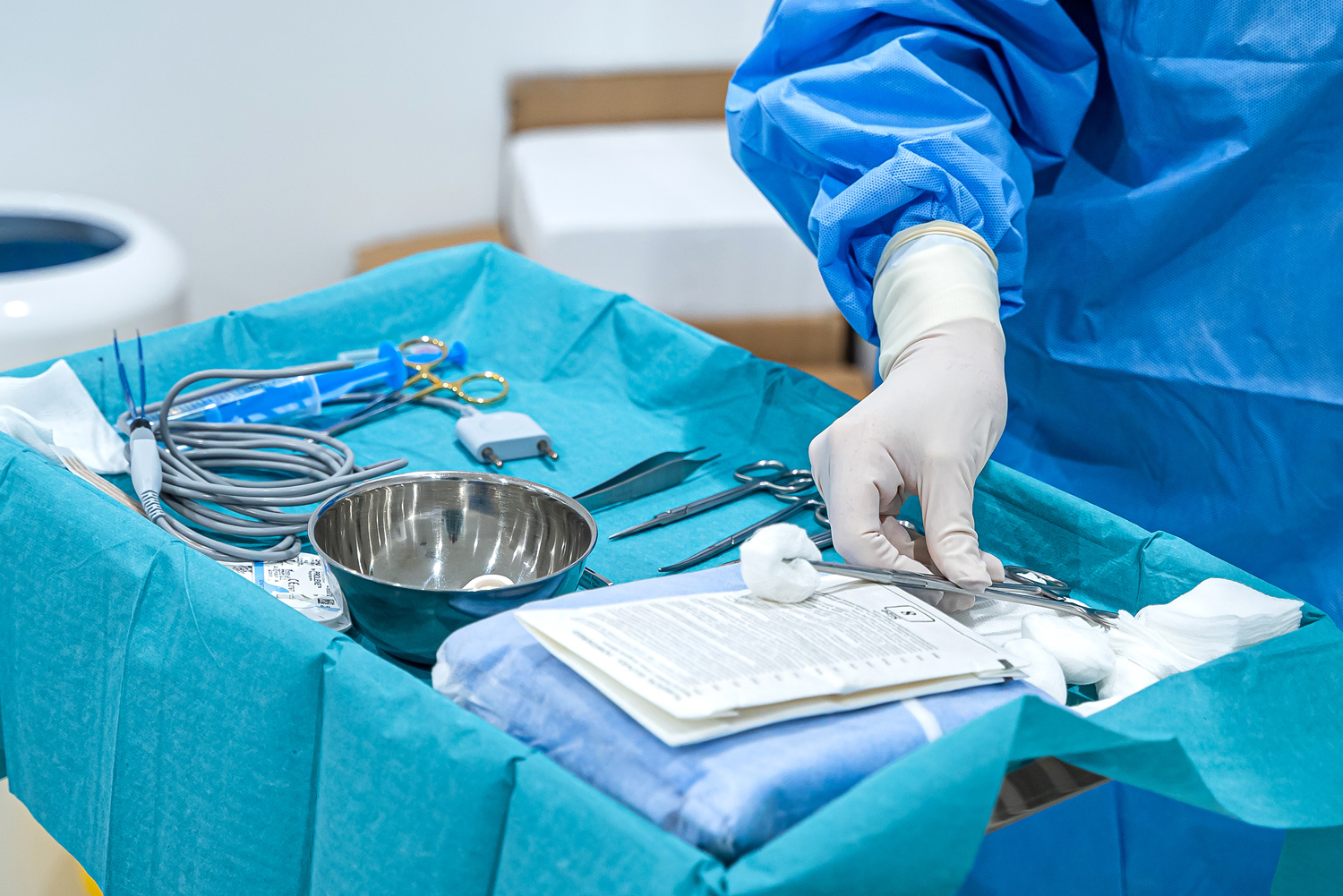
Our specialities/Surgery
Private surgery clinic in Balatonfüred
At the Tagore Medical Center private surgery clinic in Balatonfüred, we mainly offer outpatient surgical removal of skin and subcutaneous lesions, as well as scar revision. Procedures are carried out under local anaesthesia, following a specialist consultation. For pigmented lesions or others requiring dermatological assessment, the patient first attends a dermatology examination, and referral for surgery is based on its outcome. A common example is when mole screening shows that a lesion needs to be surgically removed.
- Short waiting times
- Experienced, highly regarded specialists
- Modern ultrasound diagnostics and laboratory facilities
- Thousands of satisfied patients every year
- International clinical trial background, the latest therapies
When should you see a surgeon?
The main focus of the Tagore Medical Center surgery clinic is the outpatient treatment of lesions located on or just beneath the skin that require surgical removal.
Read moreShow less
A surgical consultation may be advisable, among other things:
- for a mole or other suspicious lesion that a dermatologist has recommended for removal, where histology may be needed;
- for a skin lesion that is growing, mechanically irritated or regularly injured;
- for a subcutaneous lump that needs removal;
- for an aesthetically or functionally bothersome scar following previous surgery or injury.
Benign skin lesions are excised with a margin of healthy tissue appropriate to the nature of the lesion. For a malignant skin tumour or suspected malignancy, the necessary safety margin is determined by the type of lesion, the dermatologist’s recommendation and current professional guidelines. The aim is to remove the abnormal tissue adequately and reduce the risk of the disease spreading.
What happens during a surgical examination?
For pigmented lesions or those requiring dermatological assessment, patients usually come to the surgeon after a dermatology examination and specialist recommendation.
During the surgical consultation, the specialist reviews previous dermatology or other results, examines the lesion to be removed, and assesses its size, location and the condition of the surrounding tissue. A key aim of the consultation is to determine which surgical technique can safely remove the lesion in that part of the body, whether histology is needed, which wound-closure method can be used and what kind of scar to expect afterwards. Smaller skin lesions are often removed with an elliptical (so-called laurel-leaf shaped) excision. This allows the lesion to be removed adequately and the wound edges to be joined precisely. In planning the operation, we pay attention to the aesthetic result as well as treatment and safety. The direction and size of the incision and the method of wound closure are therefore adapted to the anatomy of the area. The patient receives detailed information on the procedure, the local anaesthetic, possible risks, wound care, and the expected dates of the follow-up and suture removal.
How can surgical care help?
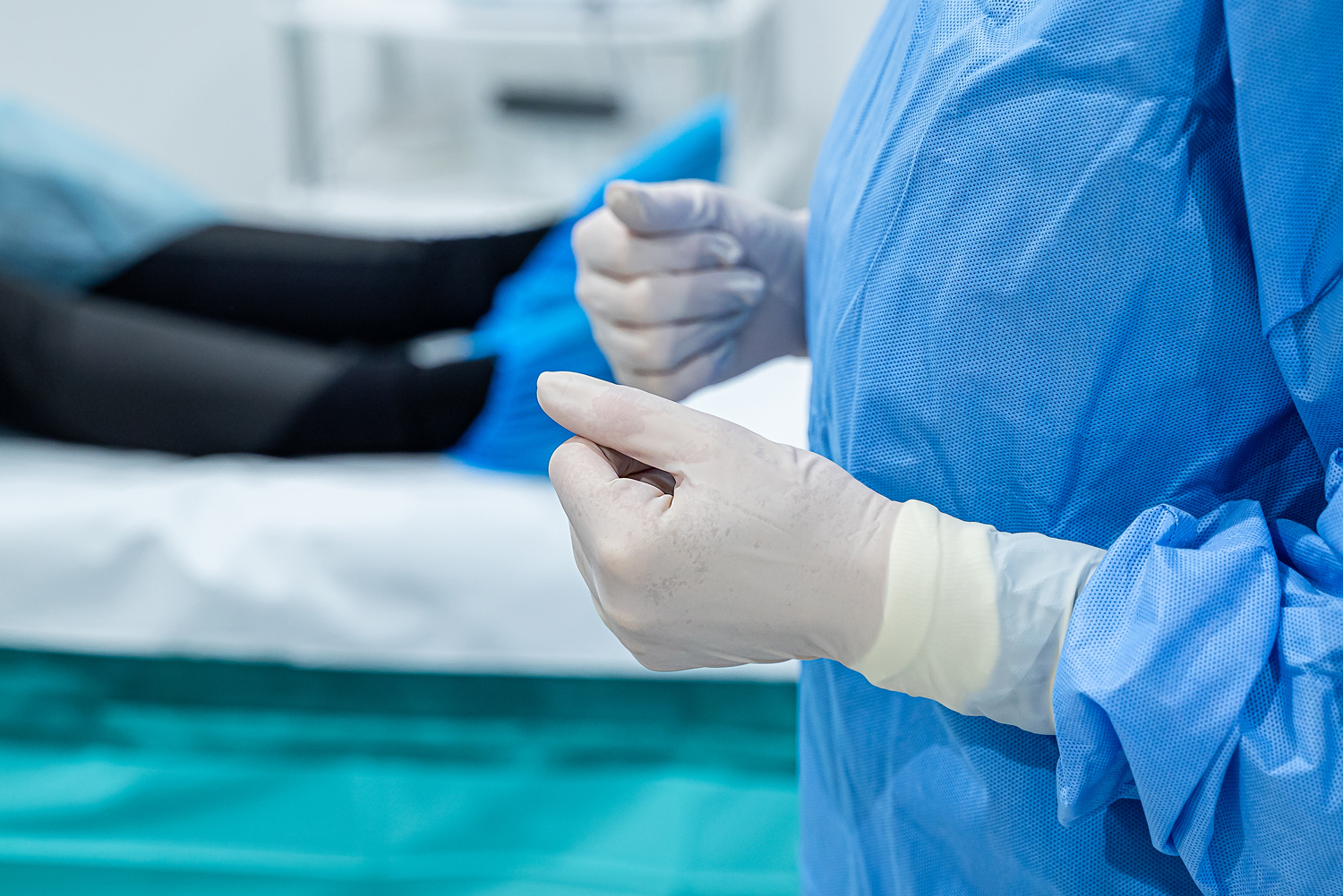
Removal of skin and subcutaneous lesions
Skin and subcutaneous lesions are usually excised under local anaesthesia. A lidocaine injection is given under the skin, directly around the area to be excised. The injection may be briefly uncomfortable, but afterwards the surgical area goes numb.
Smaller skin lesions are often removed with an elongated elliptical (so-called laurel-leaf shaped) incision. The shape and direction of the excision are planned so that the lesion can be removed safely while the wound edges can be joined properly. Once the lesion has been removed, the wound is closed with stitches and a sterile dressing is applied. A small excision is usually an outpatient procedure of about 20 minutes. After a short period of observation, the patient can generally go home straight away. The date of suture removal is set according to the surgical area, the size of the wound and the rate of healing; it usually takes place in the weeks after the procedure.
Surgical removal and histological examination of moles
Removal of pigmented moles is preceded by a dermatology examination. If surgical excision is indicated, the lesion is removed so that the excised tissue remains suitable for histological examination. If melanoma is suspected or a malignant skin lesion is confirmed, excision is performed with a safety margin in line with the dermatologist’s recommendation and professional guidelines. Histological examination involves microscopic analysis of the removed tissue, allowing a more precise diagnosis. Depending on the result, further monitoring, another operation or other specialist care may be needed. If melanoma or another malignant skin tumour is suspected, dermatological diagnosis, appropriate surgical planning and a care pathway based on the histology result are particularly important.
Scar revision
Previous surgery, injury or wound-healing problems may leave a wider, irregular or aesthetically bothersome scar. In some cases, the appearance of the scar can be improved with surgical scar revision. The procedure is performed under local anaesthesia. The surgeon injects the anaesthetic directly into the surgical area, then excises the old scar and carefully rejoins the wound edges. Where the area and type of wound allow, absorbable sutures are used to close the wound. In other cases, we use subcutaneous sutures or another aesthetically favourable closure technique to achieve the least noticeable scar possible.
It is important to know that the new scar formed after scar revision may sometimes be longer than the original. The aim, however, is to replace an irregular or wide scar with a thinner, more even and less noticeable one. The final aesthetic result is not visible immediately: in the first months the scar may be redder or firmer, then it gradually fades and softens as it matures.
Post-operative wound care, follow-up and suture removal
After the procedure, the patient receives detailed information on what to watch for during recovery, how to care for the surgical area, how to change the dressing, when the wound can get wet, and which physical activities are best avoided for a while. We also arrange the date of suture removal and any further follow-up examinations. The timing of suture removal depends on the surgical area, the size of the wound and the rate of healing. If increasing pain, significant swelling, spreading redness, pus, fever, persistent bleeding or opening of the wound occurs in the surgical area, seek medical review as soon as possible.
Examinations and prices
These examinations can be booked right now, and prices are updated from our booking system. All examinations in this speciality open with one click below the list.
Examinations and prices
Surgical consultation with procedure
The procedure is carried out at the same time as the consultation. Please check our website for the fee!
Suture removal
Post-operative follow-up examination and suture removal
Prices are in Hungarian forints (HUF) and include VAT. The laboratory package prices shown include the applicable sample handling or sample collection fee.
Try a different search term, or call our team on +36 20 280 3939 for assistance.
All examinations in this speciality11 items
Surgical procedures
- Surgical follow-up examination HUF 17,990
- Excision of one skin lesion under local anaesthesia from HUF 47,990
- Fee for each additional excision HUF 18,000
- Excision of one facial skin lesion under local anaesthesia from HUF 48,990
- Fee for each additional excision HUF 19,000
- Minor corrective surgery (e.g. fibroma) HUF 28,000
- Removal of a skin or subcutaneous lesion from HUF 63,000
- Scar revision from HUF 72,500
- Urgent appointment surcharge (when the schedule is full) HUF 10,000
- Histological examination: first sample HUF 19,000
- Histological examination: each additional sample HUF 15,000
Current fees for all examinations can be found on our price list page at any time.
Frequently asked questions about surgical procedures
Is a dermatology examination needed before mole removal?
Yes. For a pigmented mole or other lesion requiring dermatological assessment, a dermatology examination is recommended first. The dermatologist assesses the lesion and determines whether surgical removal is needed. The need for surgical removal of a lesion often arises during mole screening. At Tagore Medical Center, the further surgical care pathway can be arranged from the dermatology clinic.
Does every skin lesion need to be removed surgically?
No. The method of removal depends on the type of lesion. Some benign skin lesions can be treated with outpatient dermatological methods, while surgical excision is indicated for pigmented, deeper lesions or those requiring histological examination.
Is the operation painful?
Minor surgical procedures are performed under local anaesthesia. The anaesthetic injection may be briefly uncomfortable, but afterwards the surgical area goes numb. You may feel touch or pulling during the procedure.
How long does it take to remove a skin lesion?
Removing a small skin lesion is usually an outpatient procedure of about 20 minutes. The exact duration depends on the size, number and location of the lesions and the wound-closure method required.
When can I go home after the procedure?
Minor skin surgery is performed on an outpatient basis. The patient can go home after the procedure.
Can several skin lesions be removed at once?
In some cases, yes. The surgeon decides based on the number, size and location of the lesions, the anaesthesia required and the expected operating time.
Is every removed skin lesion sent for histological examination?
Whether histology is needed depends on the type of lesion and the clinical indication. It can be particularly important for pigmented, suspicious lesions or those removed for diagnostic purposes.
How should I prepare for the procedure?
Bring any related dermatology or other results, and a list of the medications you take regularly. It is especially important to tell us if you take anticoagulant or antiplatelet medication, or if you have a bleeding disorder or drug allergy. Do not stop taking regular medication on your own; any necessary change must always be agreed with a doctor.
When are the stitches removed?
The timing of suture removal depends on where on the body the operation was performed, the size of the wound and how healing progresses. The surgeon will set the exact date after the procedure.
Will there be a scar after removing a skin lesion?
Any procedure that cuts through the full thickness of the skin heals with a scar. The aim of appropriate surgical technique and aftercare is to make the scar as thin, even and aesthetically pleasing as possible. The final appearance of the scar also depends on individual healing tendencies, the area of the body, the size of the wound and aftercare.
What is the difference between surgery, dermatology and plastic surgery?
The dermatologist primarily diagnoses the skin lesion and determines whether removal is needed and, if so, how. General surgery removes skin and subcutaneous lesions requiring surgical excision. Plastic surgery may also remove skin lesions, particularly where the location of the lesion or the reconstruction calls for a special aesthetic solution. For this reason, the three specialties often work together to plan the right care pathway.
Do I need a referral?
In private care, you do not need a GP referral. However, for the removal of a pigmented lesion or one requiring dermatological assessment, a prior dermatology examination may be needed. If you are not referred from the Tagore Medical Center dermatology or plastic surgery clinic, a surgical consultation is required before the operation.
How much does a surgical procedure cost?
Current fees can be found in our surgery price list. The price of the procedure may depend on the size, number and location of the lesion and the surgical care required. Histological examination may be charged separately.
Where is the clinic?
- Address
- Tagore Medical Center
Balatonfüred, Horváth-ház, Gyógy tér 3. - Book an appointment
- +36 (20) 280 3939
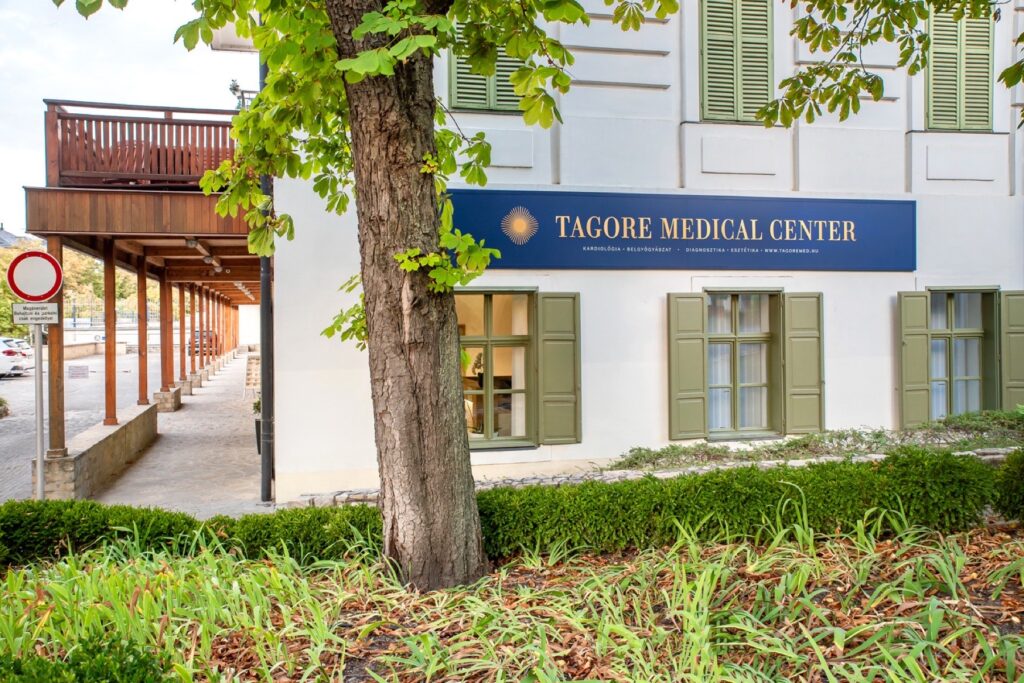
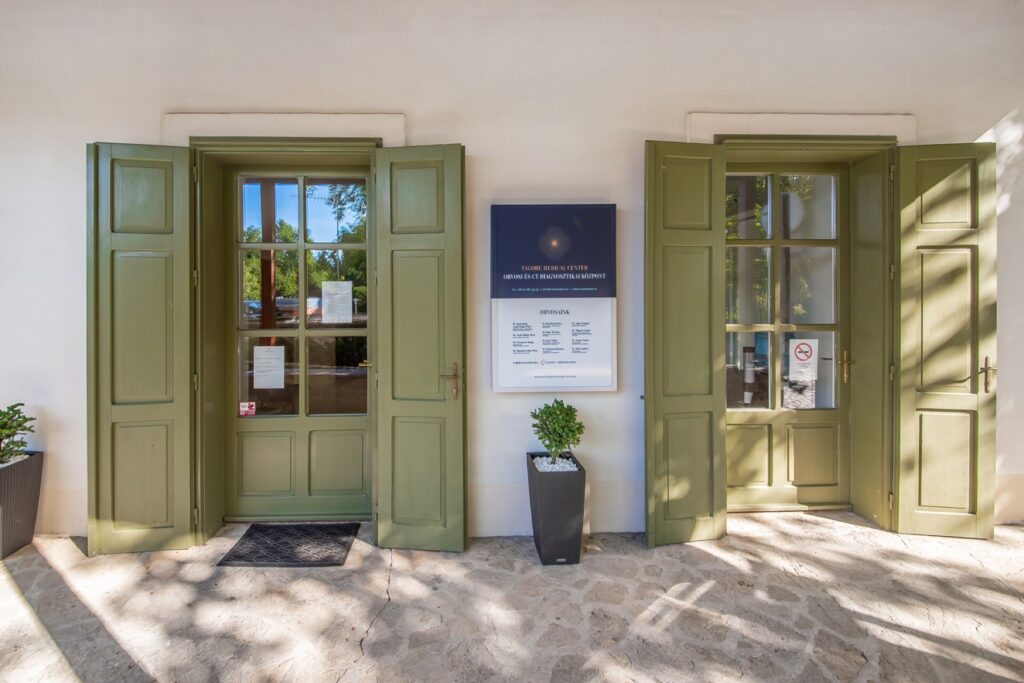
Surgery in Balatonfüred at Tagore Medical Center
At Tagore Medical Center, we provide a coordinated care pathway, from the dermatology examination through the surgical consultation and outpatient procedure to histology, follow-up and suture removal. Where needed, we also involve doctors from our other specialties.
Book an appointment online, or contact our team on +36 20 280 3939 for assistance.
Book an appointment!
Early detection can save lives, and we will help you find the right solution.
Tagore Medical Center, Balatonfüred, Horváth-ház, Gyógy tér 3.
This information is general in nature and does not replace a personal medical examination, diagnosis or treatment. If you have symptoms, please consult a specialist.